At Lomstel Agro, we are committed to sustainable agriculture and the production of high-quality mushrooms using carefully controlled and environmentally responsible methods. Our mushroom cultivation process transforms simple agricultural by-products into nutritious, market-ready produce through a series of precise and hygienic stages.
1. Substrate Preparation and Mixing
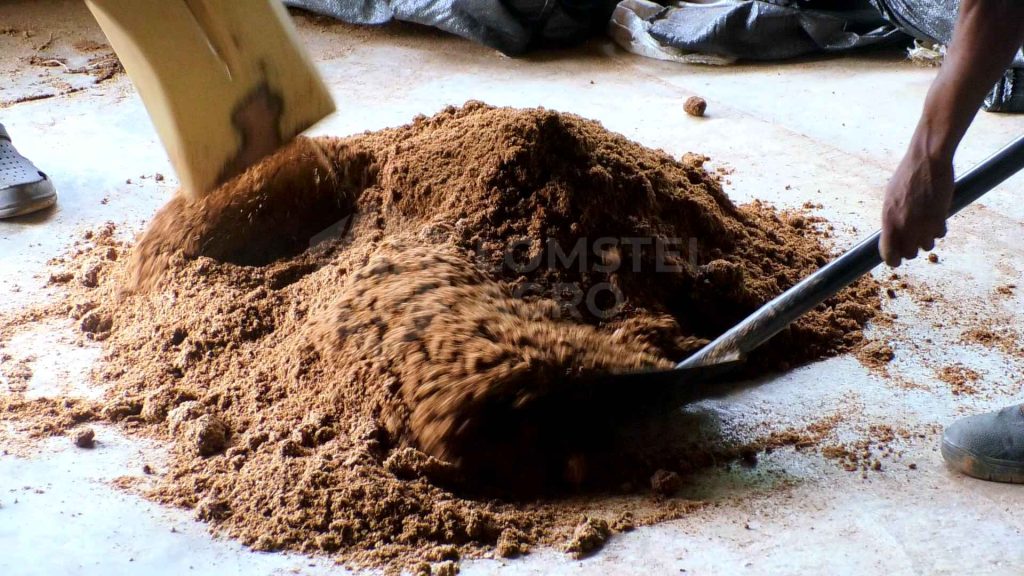
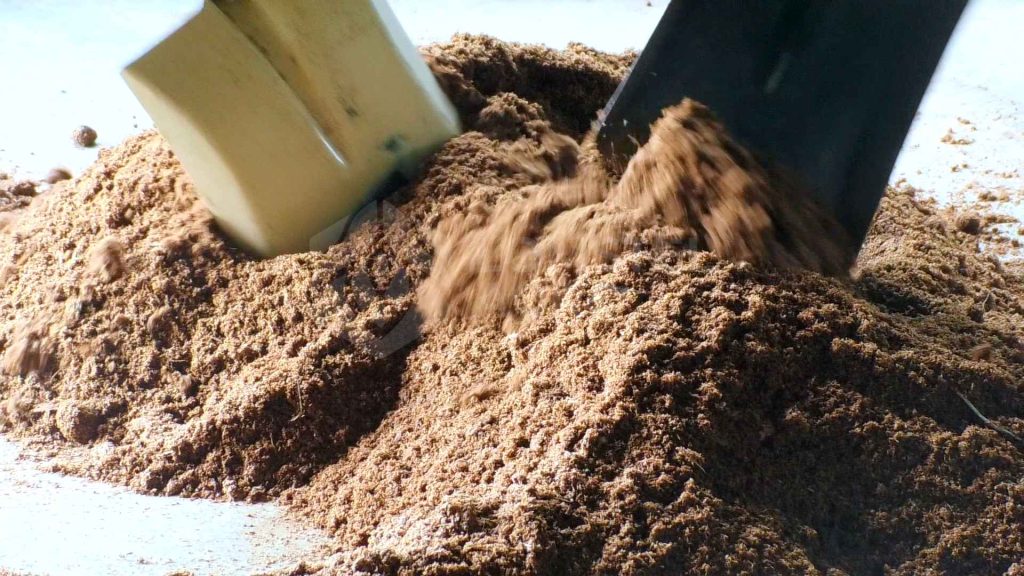
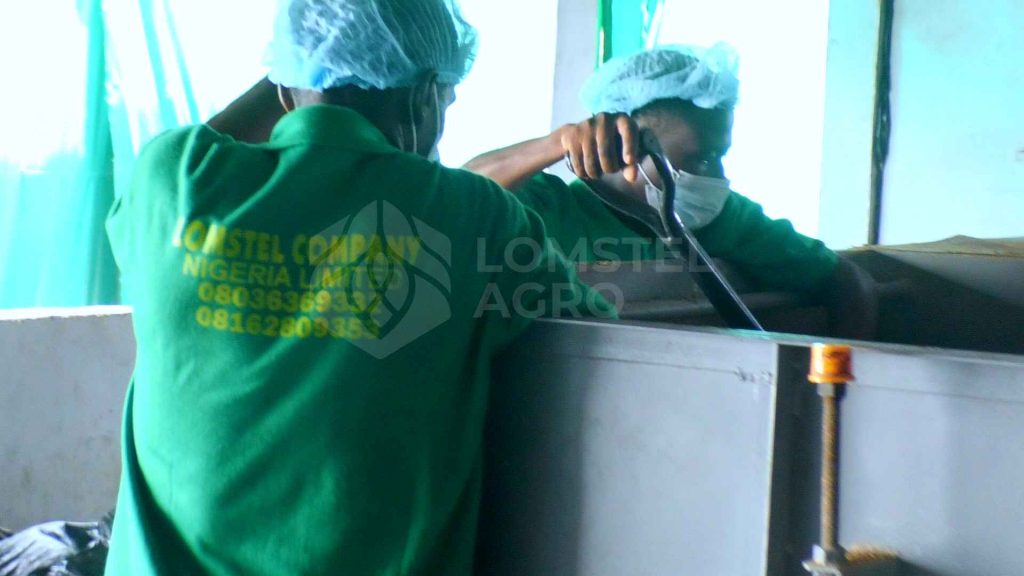
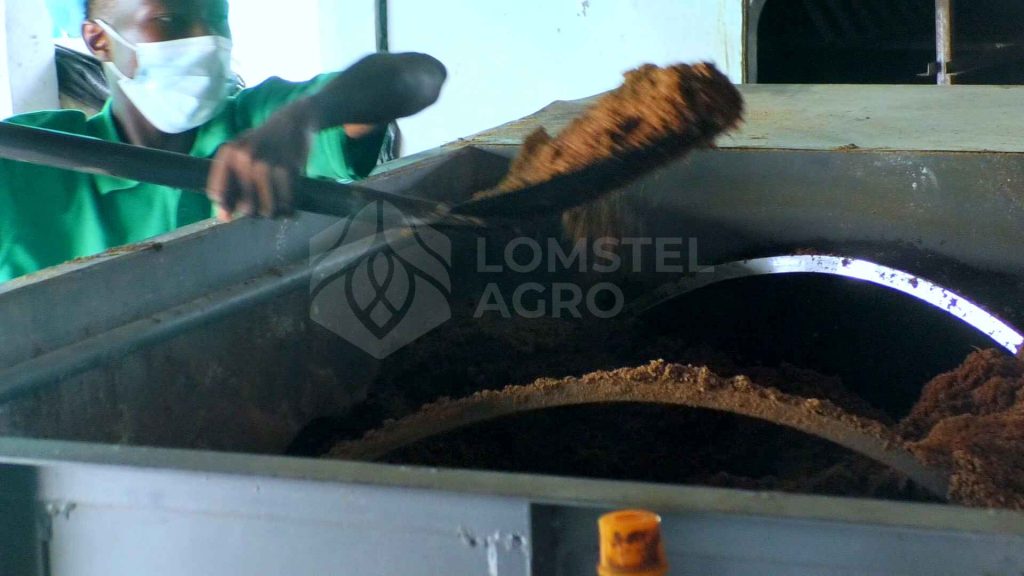
The journey begins with the preparation of the substrate, the nutrient-rich medium that supports mushroom growth. At Lomstel Agro, we utilize a carefully balanced mixture of:
- 80% sawdust
- 20% rice bran
Water is added to achieve an optimal 70% moisture content, ensuring the substrate provides the ideal environment for mycelial development. Our team conducts a practical squeeze test to confirm the correct moisture level. The substrate should feel moist to the touch, with no water dripping when squeezed.
2. Bagging and Pasteurization
Once the substrate is thoroughly mixed, it is packed into heat-resistant nylon bags, each weighing a minimum of 2 kilograms. These bags are tightly secured to prevent contamination.
To eliminate harmful microorganisms and competing fungi, the bags undergo pasteurization in a controlled chamber under the following conditions:
- Temperature: 90°C to 100°C
- Duration: 8 to 10 hours
- Monitoring: Continuous temperature and time tracking using precision instruments
This critical step ensures a clean and safe environment for successful mushroom cultivation.
3. Cooling and Inoculation
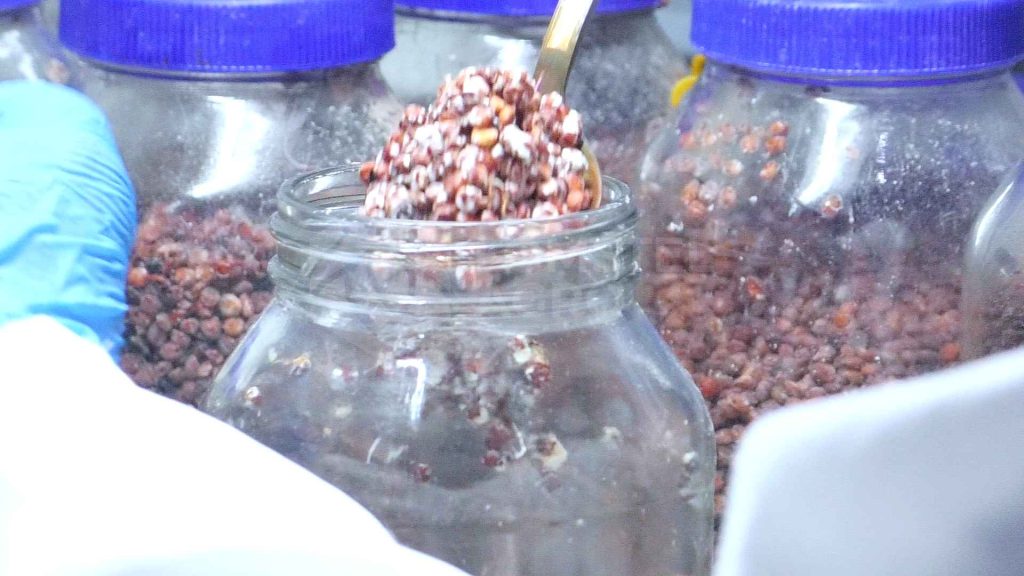
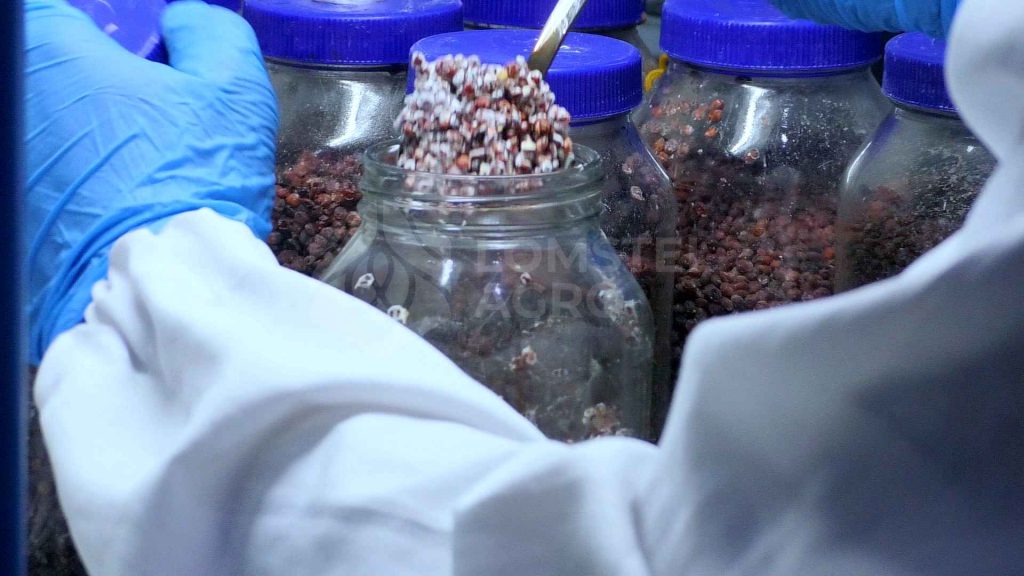
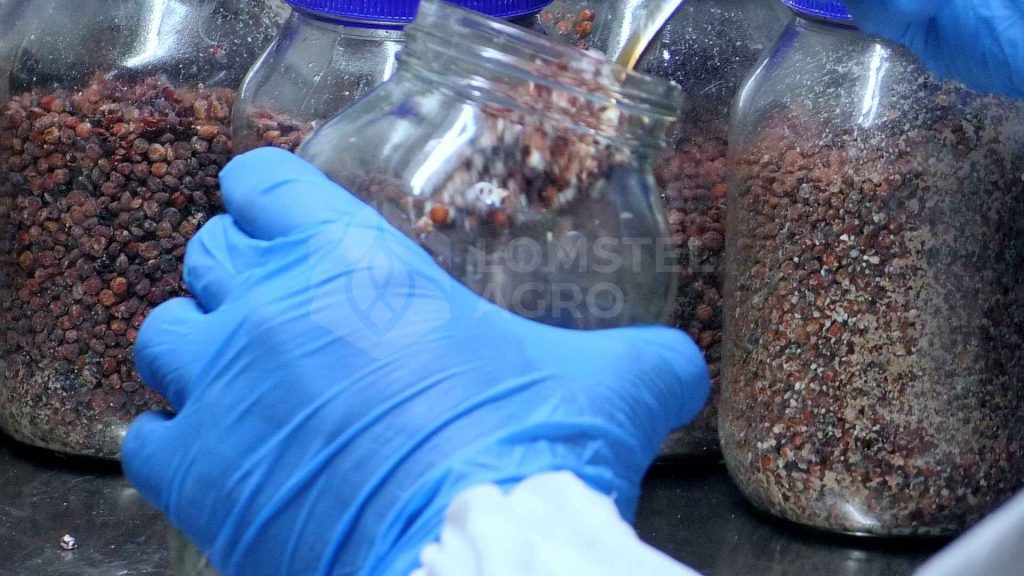
After pasteurization, the substrate bags are allowed to cool for at least six hours. This cooling period is essential to protect the viability of the mushroom spawn.
The cooled bags are then transferred to a dedicated inoculation room, where they are seeded with high-quality laboratory-produced spawn. Strict hygiene protocols are maintained to prevent contamination and ensure consistent results.
4. Incubation and Ramification
Following inoculation, the bags are moved to a dark incubation room. During this stage, the mushroom mycelium spreads throughout the substrate in a process known as ramification, also referred to as the spawn run.
- Environment: Clean, dark, and well-ventilated
- Duration: Approximately two weeks
Alternatively, when conditions permit, the bags may be hung directly in the fruiting room to complete this phase before watering begins.
5. Fruiting and Maintenance
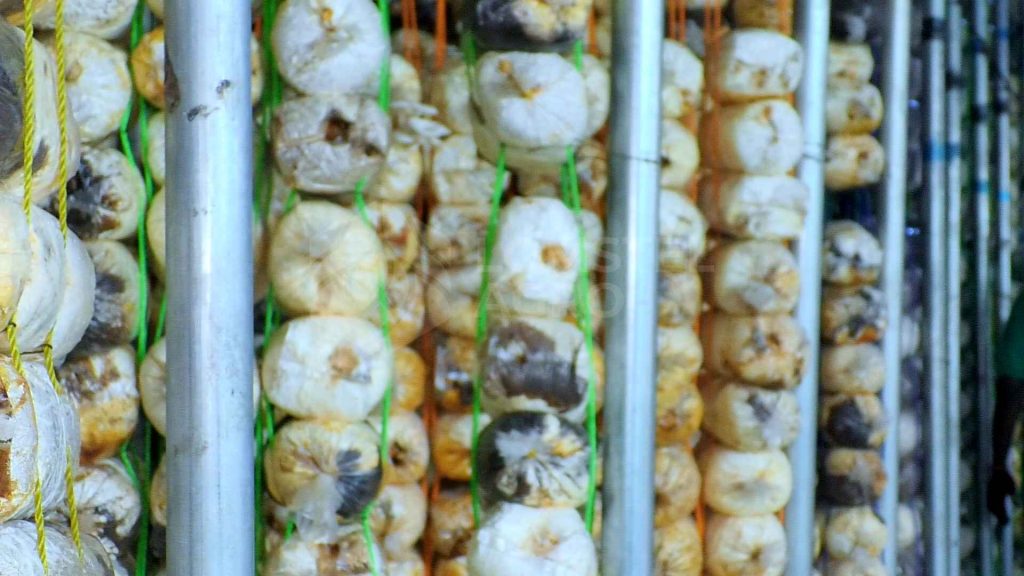
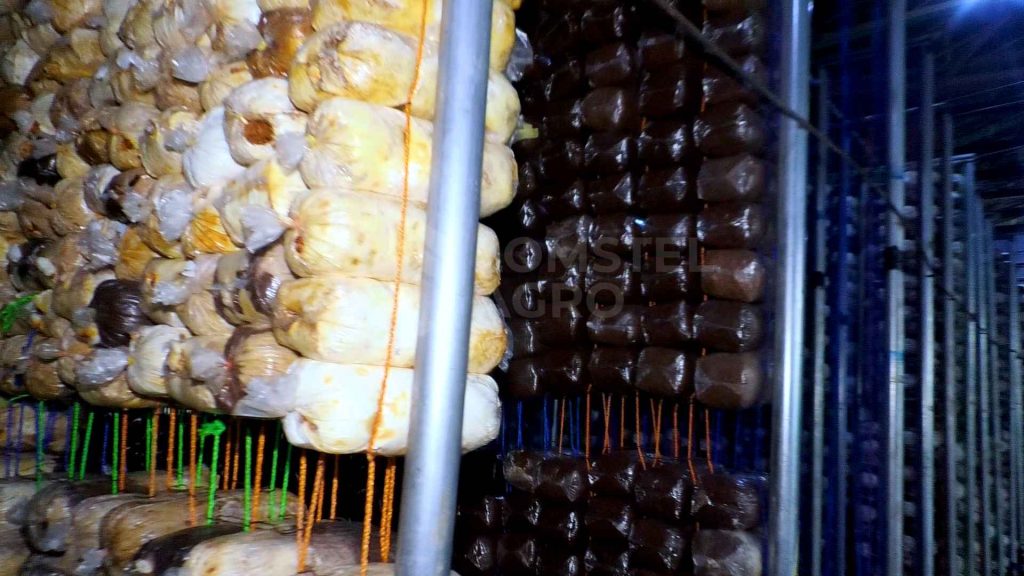
Once the substrate is fully colonized, the bags are transferred to the fruiting room, where environmental conditions such as humidity, ventilation, and light are carefully regulated.
- Regular watering: Maintains the high humidity required for mushroom formation
- Time to fruiting: Mushrooms typically begin to emerge about two weeks after entering the fruiting room
- Total production cycle: Approximately one month from inoculation to the first harvest
This meticulous care ensures the production of healthy, high-quality mushrooms.
6. Harvesting and Post-Harvest Processing
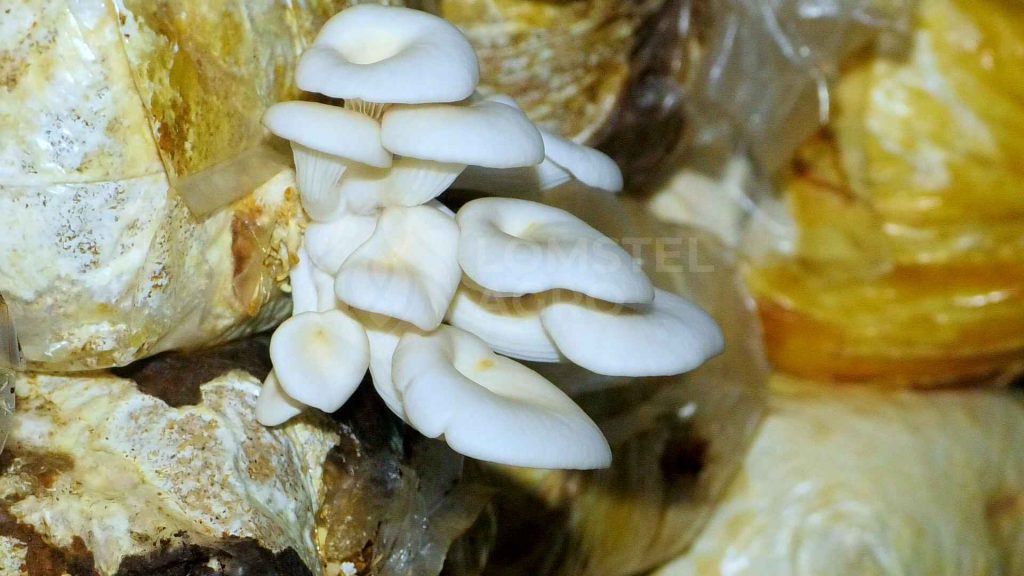
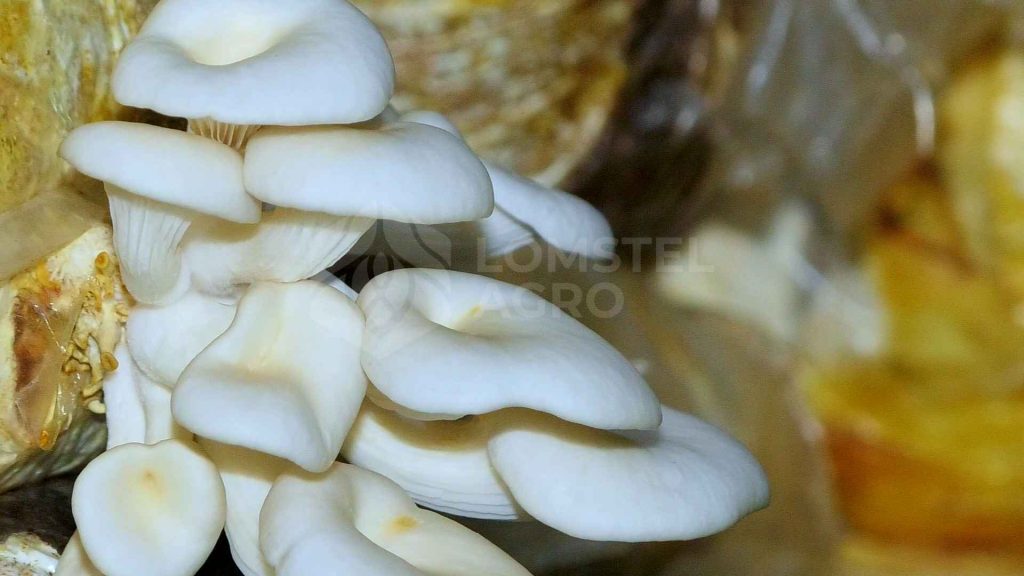
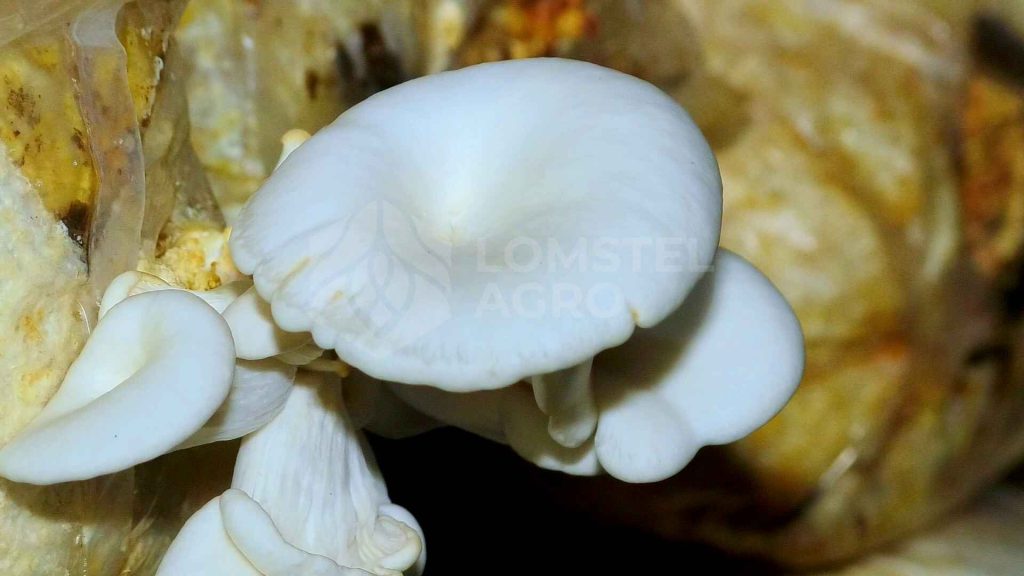
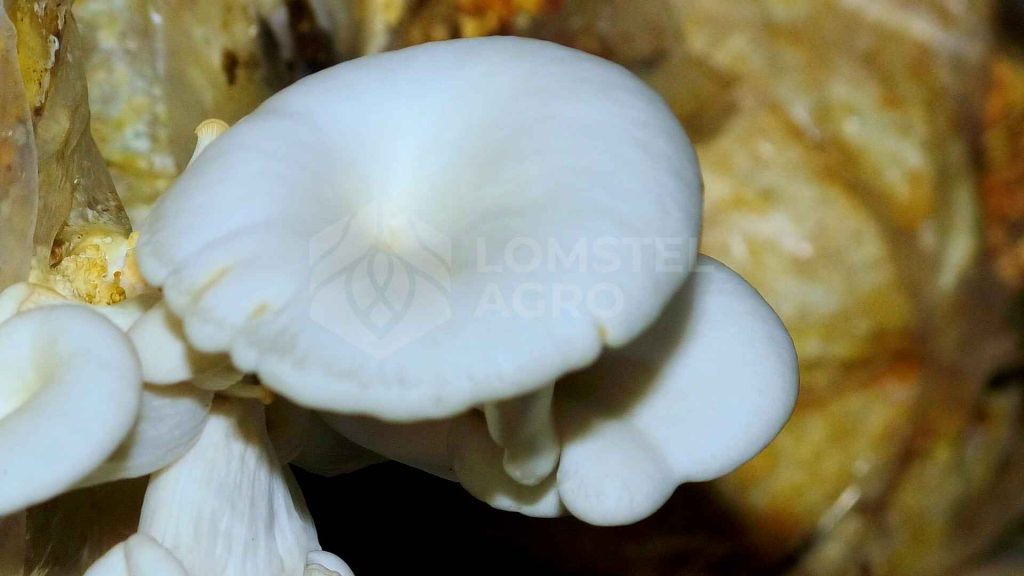
Harvesting
At Lomstel Agro, mushrooms are harvested at peak maturity using clean scissors or knives to preserve their quality and freshness. The harvested mushrooms are collected in sanitized baskets to maintain hygiene standards.
Cleaning
The base of each mushroom, which comes into contact with the substrate, is carefully trimmed to enhance appearance and ensure food safety.
Preservation and Packaging
Drying
For extended shelf life, mushrooms can be dehydrated under controlled conditions:
- At 60°C: 7 to 8 hours
- At 70°C or higher: 3 to 4 hours
Fresh Packaging
Fresh mushrooms are packaged using food-grade materials and are typically available in the following sizes:
- 250 g
- 300 g
- 500 g
This ensures convenience for consumers and maintains product freshness during distribution.
Why Choose Lomstel Agro?

At Lomstel Agro, our mushroom production process reflects our dedication to quality, sustainability, and food safety. By utilizing agricultural by-products such as sawdust and rice bran, we promote environmentally friendly farming while delivering nutritious and delicious mushrooms to our customers.
Our Commitment
- Sustainable agricultural practices
- Strict hygiene and quality control
- Consistent, high-yield production
- Nutritious and safe food products
- Efficient post-harvest handling and packaging
Conclusion
The mushroom production cycle at Lomstel Agro demonstrates our expertise and commitment to excellence. From substrate preparation to the final harvest, every stage is carefully managed to ensure that our customers receive mushrooms of the highest quality.
Whether consumed fresh or dried, our mushrooms offer exceptional taste and nutritional value, making them a valuable addition to homes, restaurants, and food industries.
Partner With Us
Interested in purchasing premium mushrooms or learning more about our cultivation process? Lomstel Agro is ready to partner with distributors, retailers, and agricultural enthusiasts.
Contact us today to discover how we can serve your needs and contribute to a more sustainable future.